
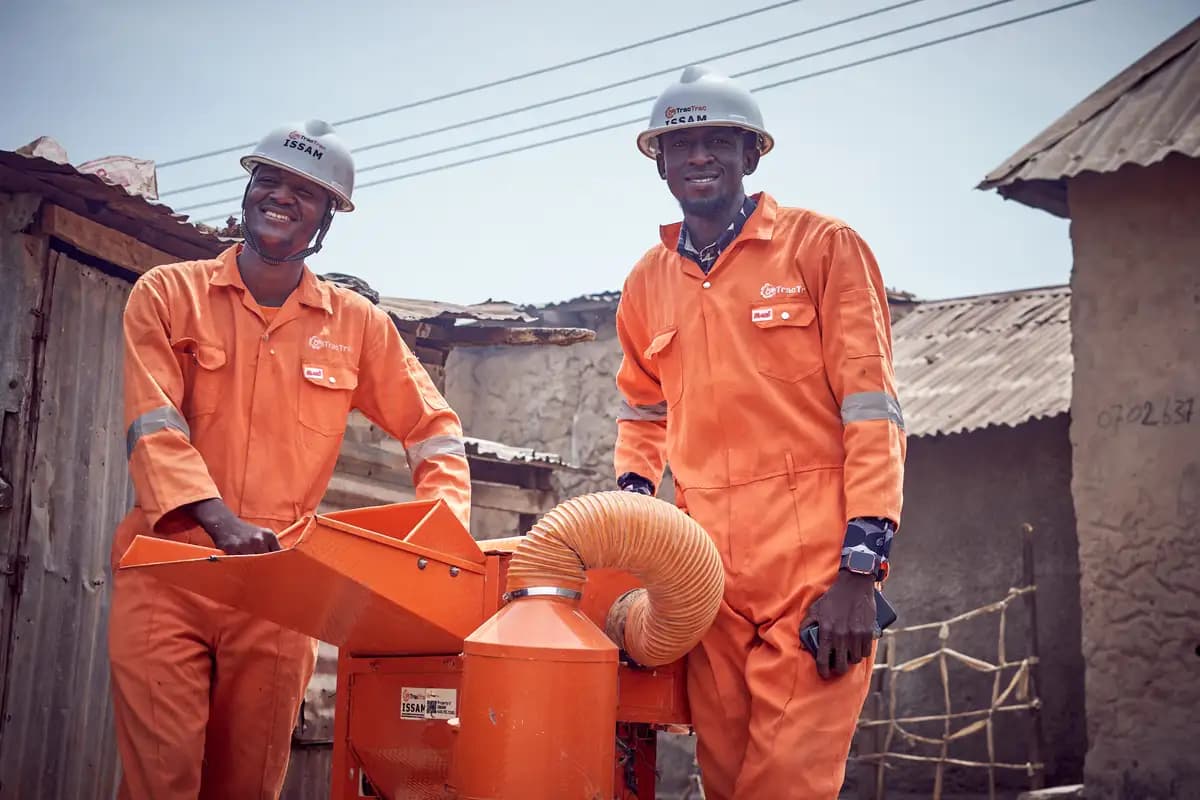
When a Mechanization Service Provider (MSP) starts a tractor, loads a thresher or fills a knapsack sprayer, the day’s risk starts with the first task. Their health protects their income, and their income sustains the service that smallholder farmers rely on. Yet protective equipment remains an afterthought in much of Nigerian agriculture.
A survey of farm households in Rivers State found that only 2% of the agricultural workers interviewed used personal protective equipment (PPE) the way pesticide labels direct. In Ogun State, a study of smallholder farmers found that 79% never wore respirators when applying pesticides, 60% never wore hats and 57% never wore boots. Among 800 women farmers surveyed in north-eastern Nigeria, 78% reported lacerations from farm implements.
These findings describe the working conditions that many Nigerian farmers and mechanisation service providers accept as normal. Mechanization raises the stakes. Researchers in south-western Nigeria documented a rise in tractor accidents as mechanization of farm operations grew. In that study, protective wear made the largest contribution to accident prevention at 24.05%, while orientation training and seminars contributed 8.30% and farmers used them least often.
The Improving Smallholder Farmers' Access to Small-Scale Agricultural Mechanization Services (ISSAM) programme, implemented by TracTrac Mechanization Services Limited in partnership with Mastercard Foundation in Kaduna and Nasarawa states, built its response to this evidence into its design. Every certified Mechanization Service Provider (MSP) receives protective gear and field safety training before serving any farmer.
Why ISSAM Distributed PPE to Participants
Godsfavour Nyoyoko, Procurement Manager at TracTrac MSL, explained the reasoning in an interview with our team. "Using mechanized machinery can sometimes pose safety risks, and the ISSAM programme has a responsibility to ensure safe working conditions rather than assume that each MSP will get the appropriate gear on their own," she said. She added that independent sourcing could have produced uneven quality and incompatible items across the participants.
Research explains why that concern is worth paying attention to. The Rivers State survey identifies cost and access as major barriers to PPE use. Workers said safety equipment is often unavailable at agro-dealer stores, and the gear they did obtain felt uncomfortable in the heat or came in the wrong size. A young MSP starting a business has little capital to spare for equipment that may not fit or last.
Nyoyoko said “The PPE package was guided by the specific hazards associated with the work, the local operating environment, durability, compatibility of items, and the need for practical protection that the participants would actually use in the field.”
These considerations were critical to ensuring that the PPE could withstand field conditions while remaining practical for everyday use.
A Kit Built for the Field
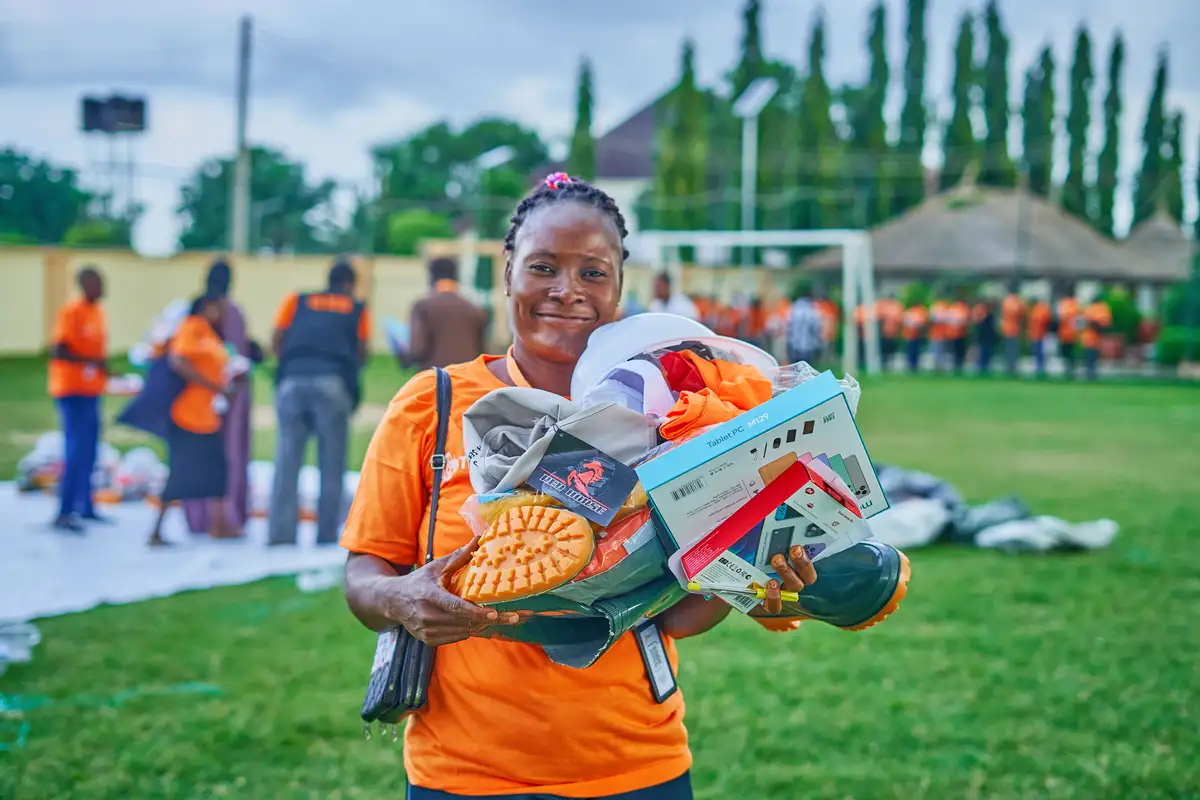
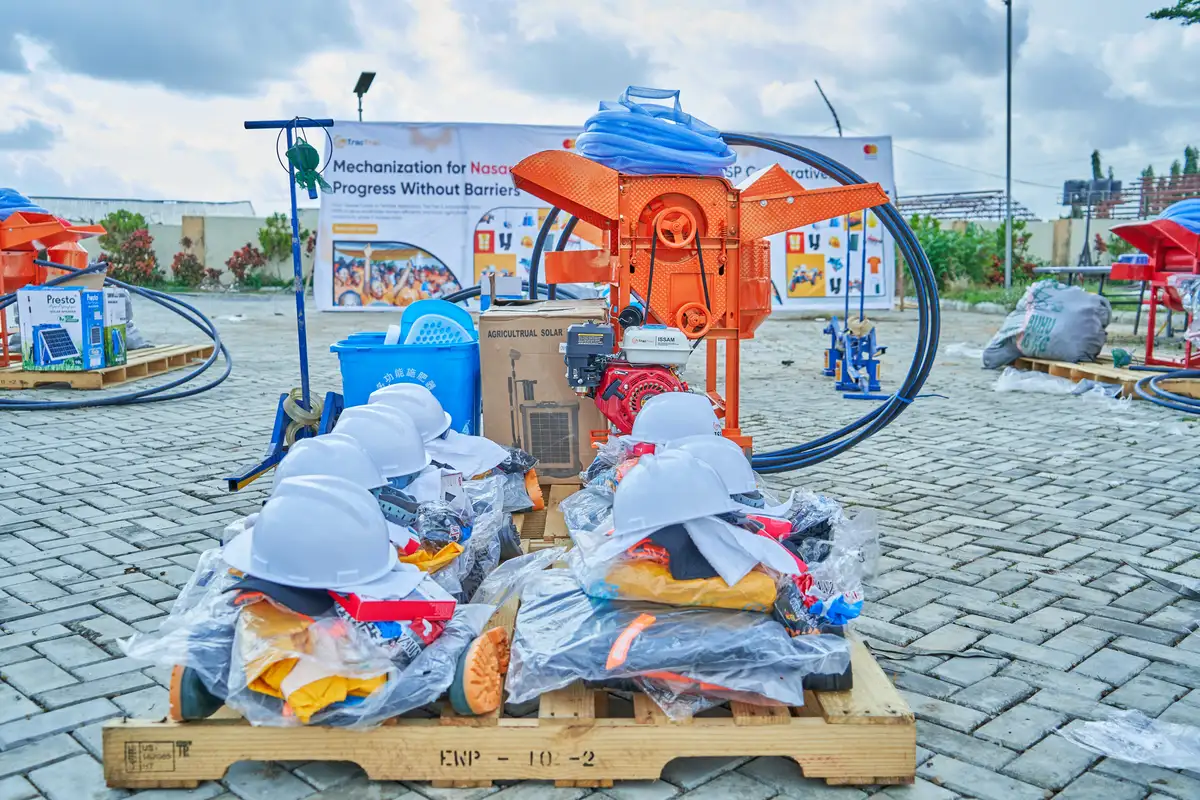
All 2,512 participants from year 1 of the ISSAM programme who have all been formed into cooperatives have received the same kit: a helmet, a pair of boots, a jacket, an overall, a raincoat, a face cap and a handkerchief, two shirts, along with a tablet, powerbank and back pack. Participants received lessons on good agronomic practices and safety in the field during the course of their training before they received their equipment.
In total, over 20,000 PPE has been distributed on the ISSAM programme.
For MSP Mohammed Josephine Sarah, the kit covers the full working day. "I have my tablet, power banks, jacket and everything I need to serve farmers 24/7," she said.
Nyoyoko points to the standard this sets for the sector. Many informal mechanization operators work with little or no protective gear, or with improvised items. The ISSAM package, in her words, represented a much higher standard of safety and professionalism.
283 cooperatives were formed in year 1 of the ISSAM programme and they all use these PPE daily as they deliver their mechanization services and generate income that sustains their livelihoods.
Also Read: Beyond Tractors: How ISSAM Project Is Powering Rural Farming with Labour-Saving Devices
Safety as a Service Standard
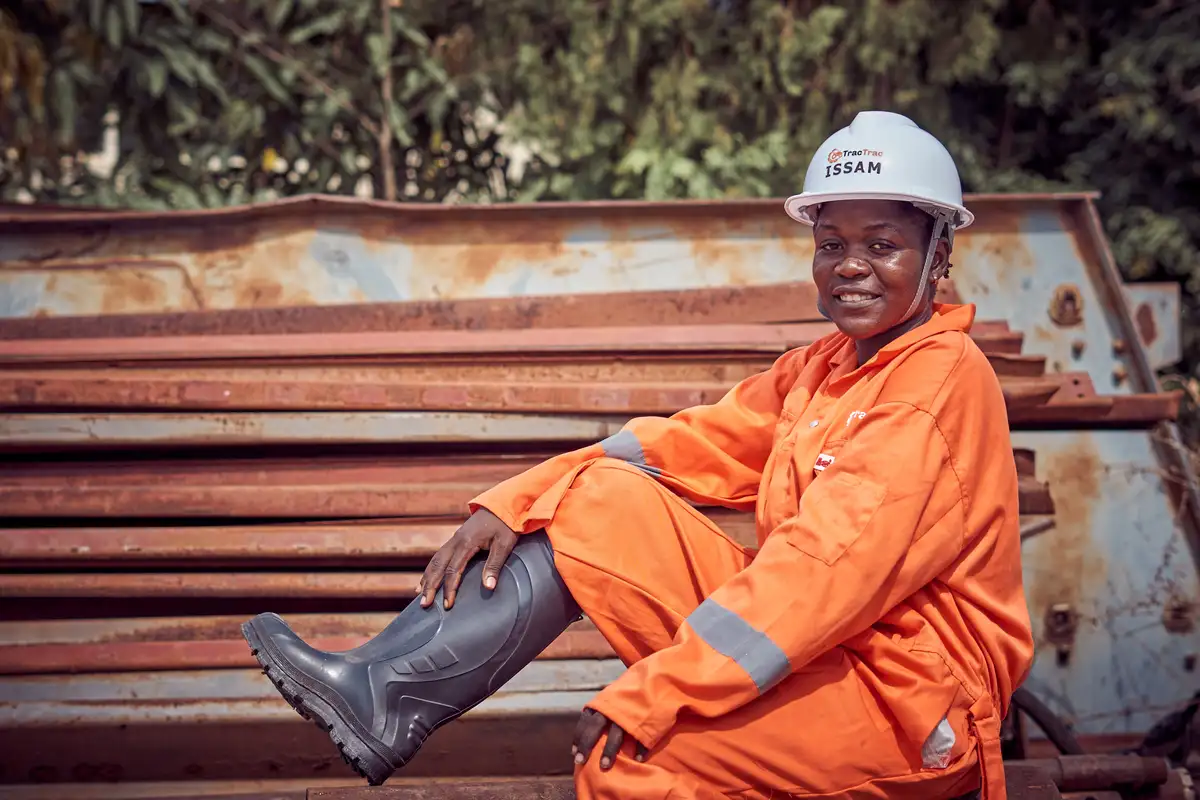
For TracTrac, the biggest return on the investment extends beyond the equipment as Nyoyoko said. "The biggest value of the investment was not just the physical items themselves, but the long-term culture of safe, reliable, and credible service delivery it will help create," she said. It protects people, improves confidence in the service providers and strengthens the quality and sustainability of the programme.
That credibility matters to the smallholder farmers who hire MSPs. A trained operator in a helmet, boots and overalls tells a farmer that the service meets a professional standard, and it protects the operator's ability to keep working season after season.