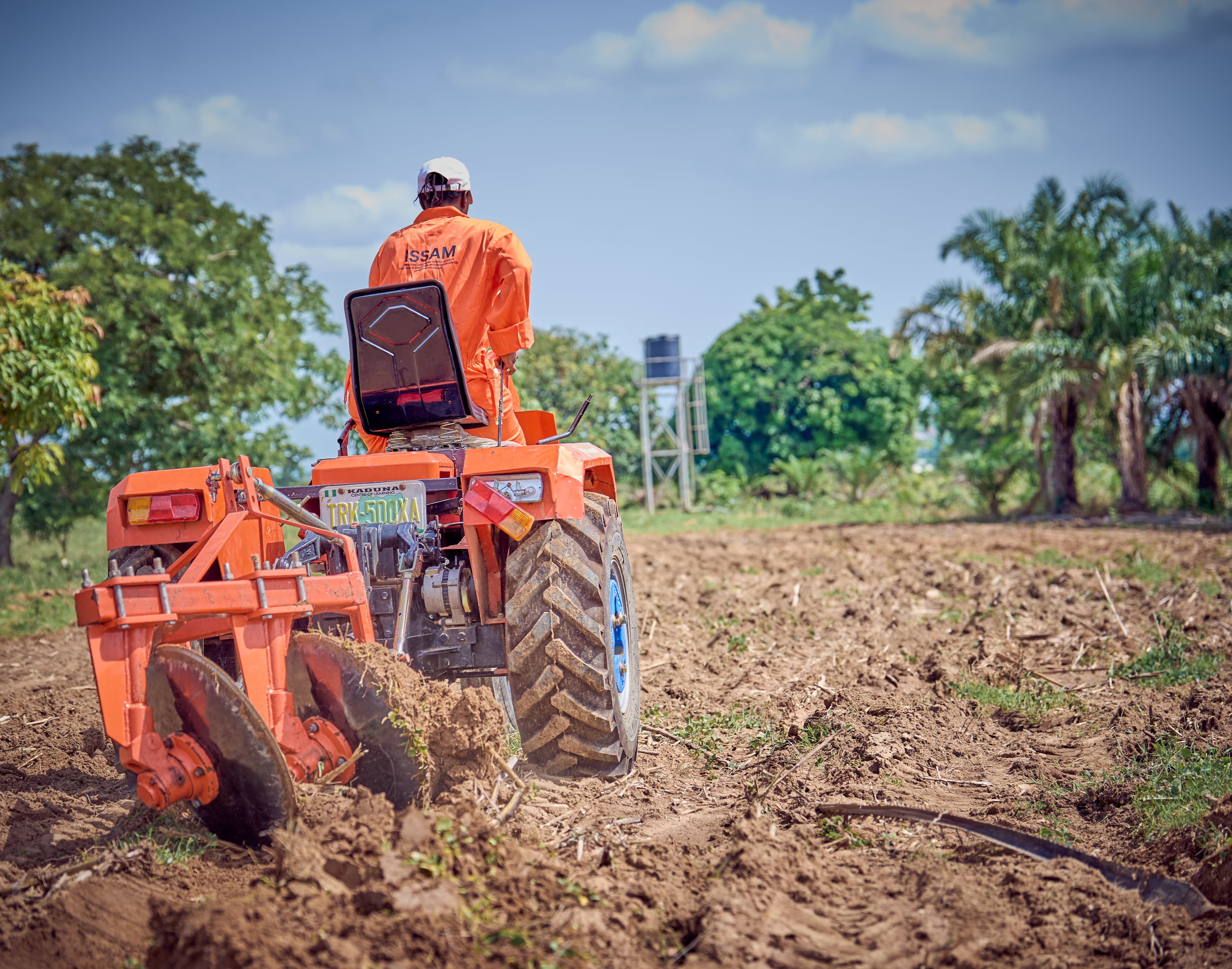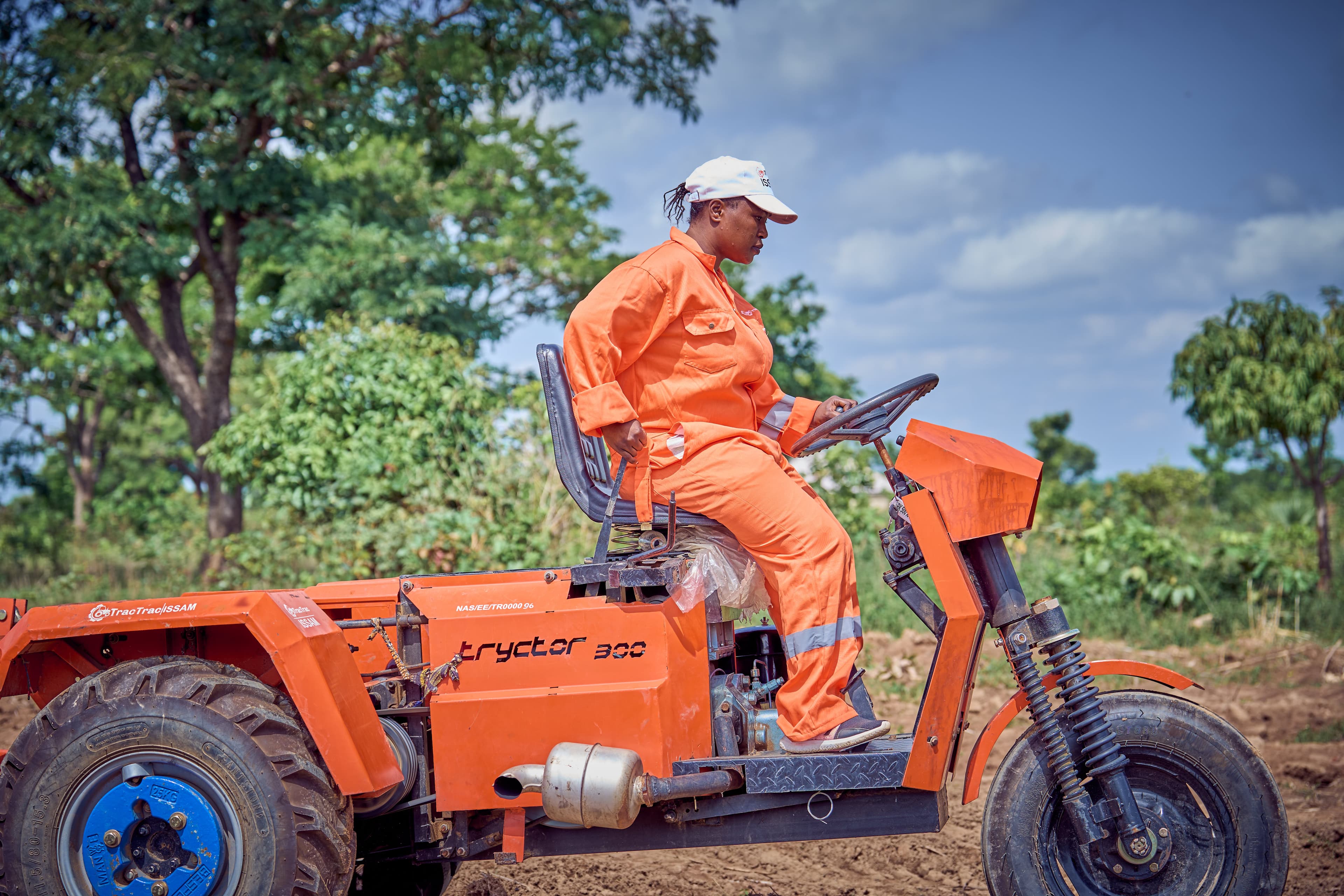
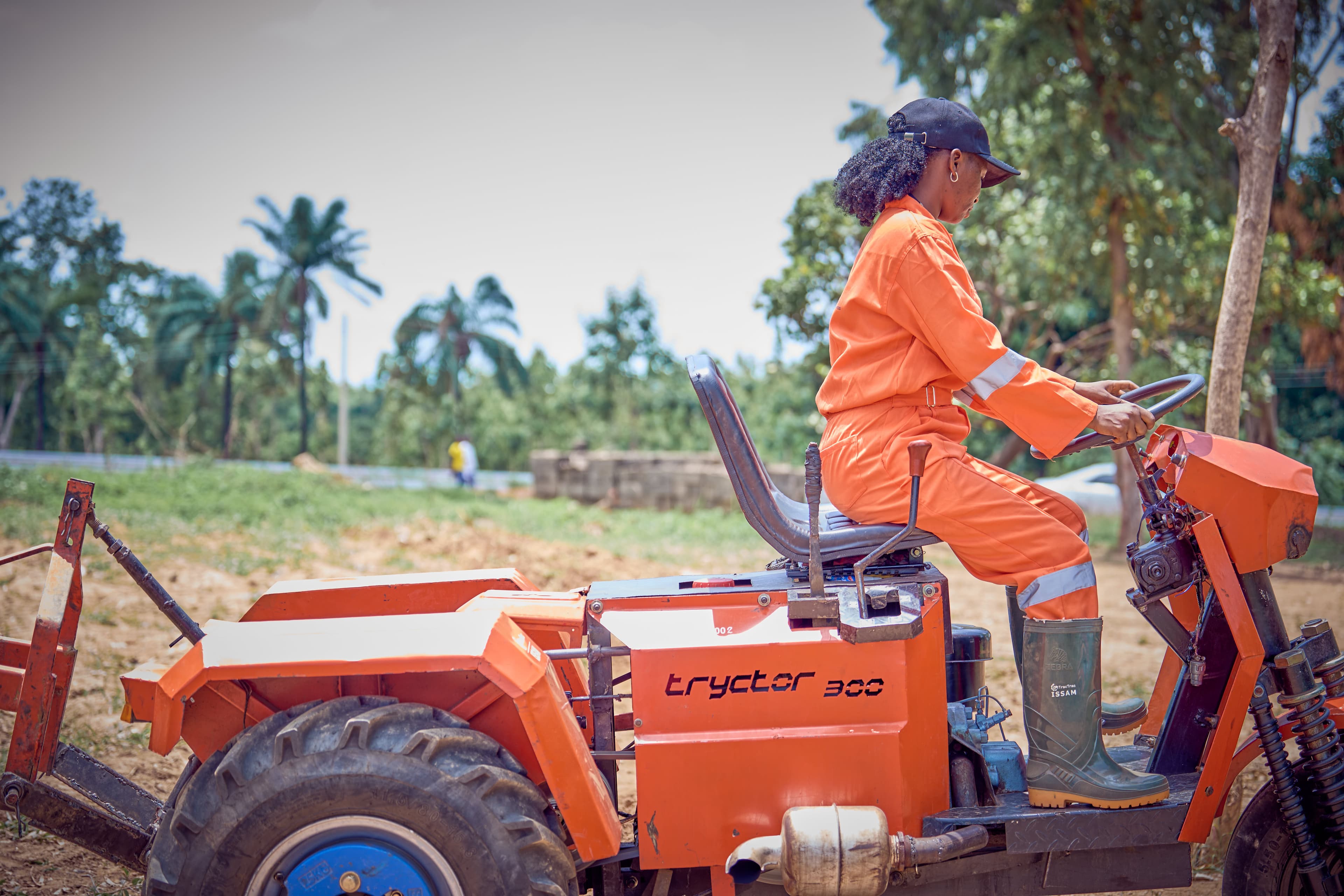
Musa Adamu bought his first tractor eleven years ago with savings from three harvests and a loan from his brother. Today he runs two machines out of Keana, ploughing and harrowing for farmers up to forty kilometres away.
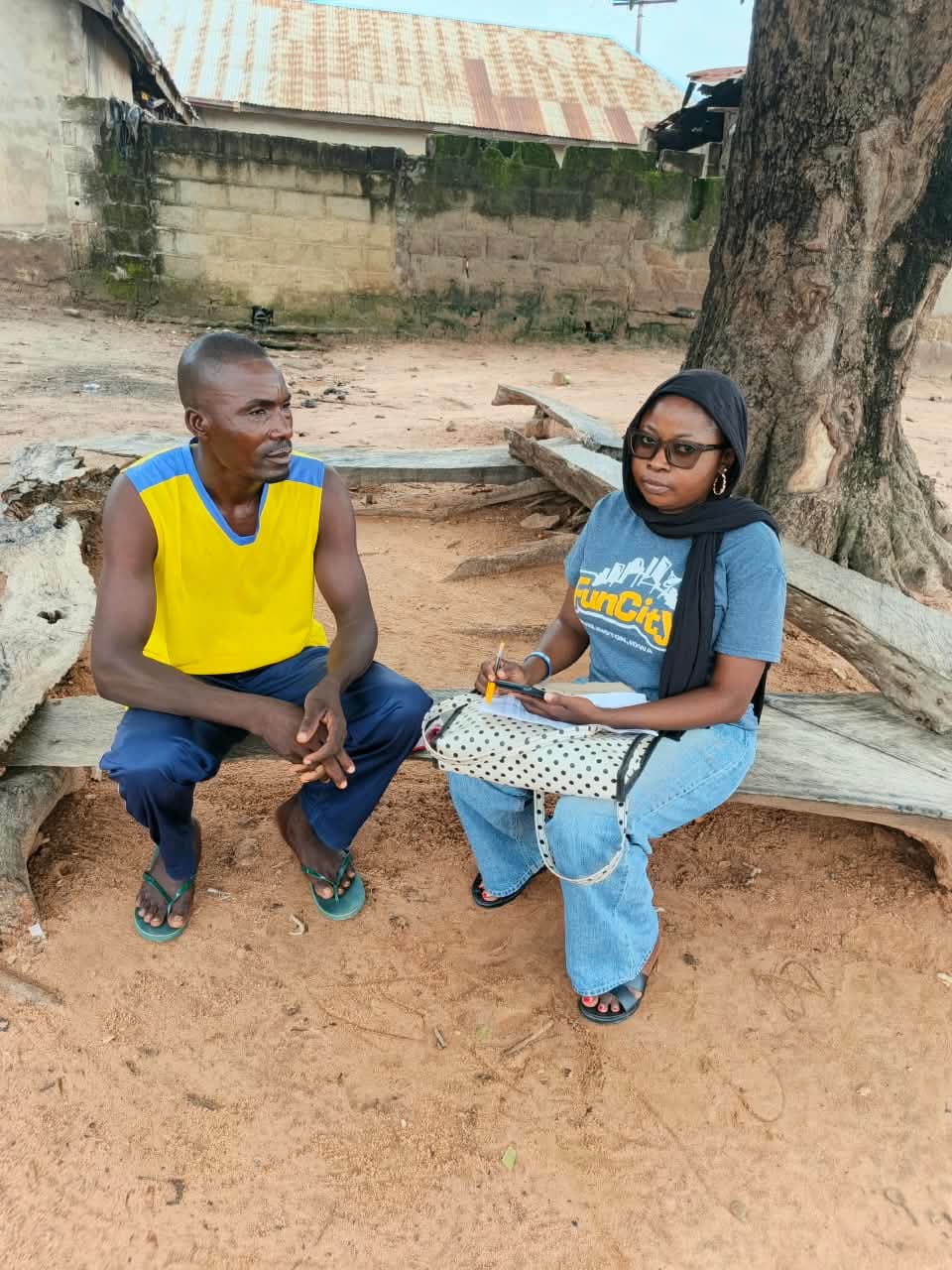
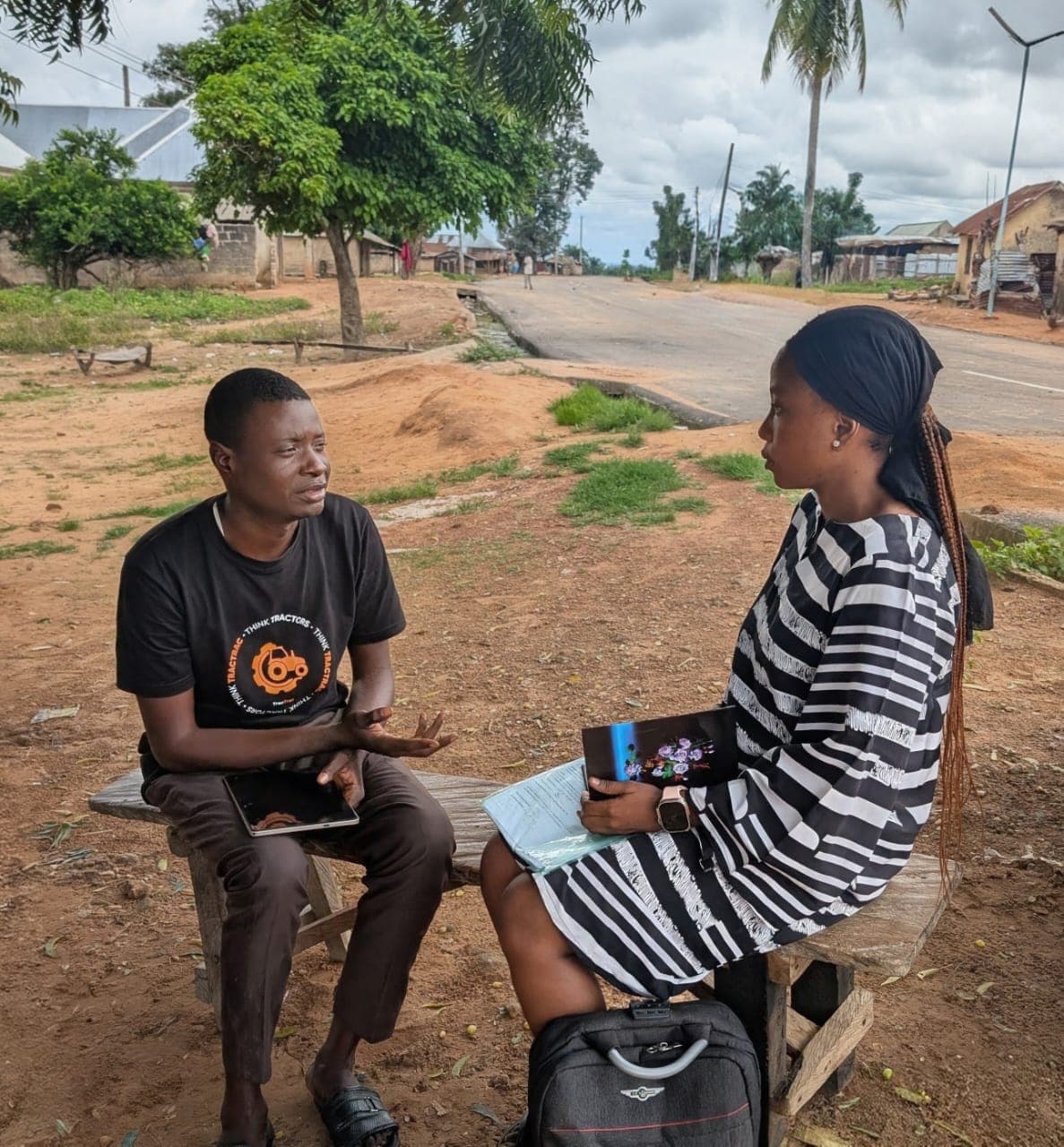
When our field team sat down with him by the roadside, he started with a number. Before he leaves the yard, every job has already cost him money: diesel, an operator, a spare belt he keeps in the cab, and the phone credit spent finding the farmer in the first place.
People see the tractor moving and think I am making money. Half the time I am only paying the tractor back.
Repairs are the cost he plans for least and fears most. The nearest dealer for some parts is in Abuja. A broken hydraulic pump in the middle of the season once kept one machine parked for nineteen days, through the busiest window of the year.
Idle weeks are the other side of the same problem. Demand arrives all at once when the rains begin, then drops away. Between those peaks, the machine and its operator still have to be paid for.
Then there are the jobs that never get paid. Musa estimates that one in ten jobs ends with a promise rather than cash. Some farmers pay after harvest. Some never do. Without a record of what was agreed, there is little he can do.
If I know where the next job is before I finish this one, the whole season changes.
What he described is the problem TracTrac set out to work on: keeping machines busy across a wider area, with bookings and payments recorded from the start. For Musa, a full season is not about more tractors. It is about fewer empty days for the ones he already has.