Hauwa Yakubu grows rice and cassava on just under two hectares. She has farmed the same land for fifteen years, but she has hired a tractor only three times.
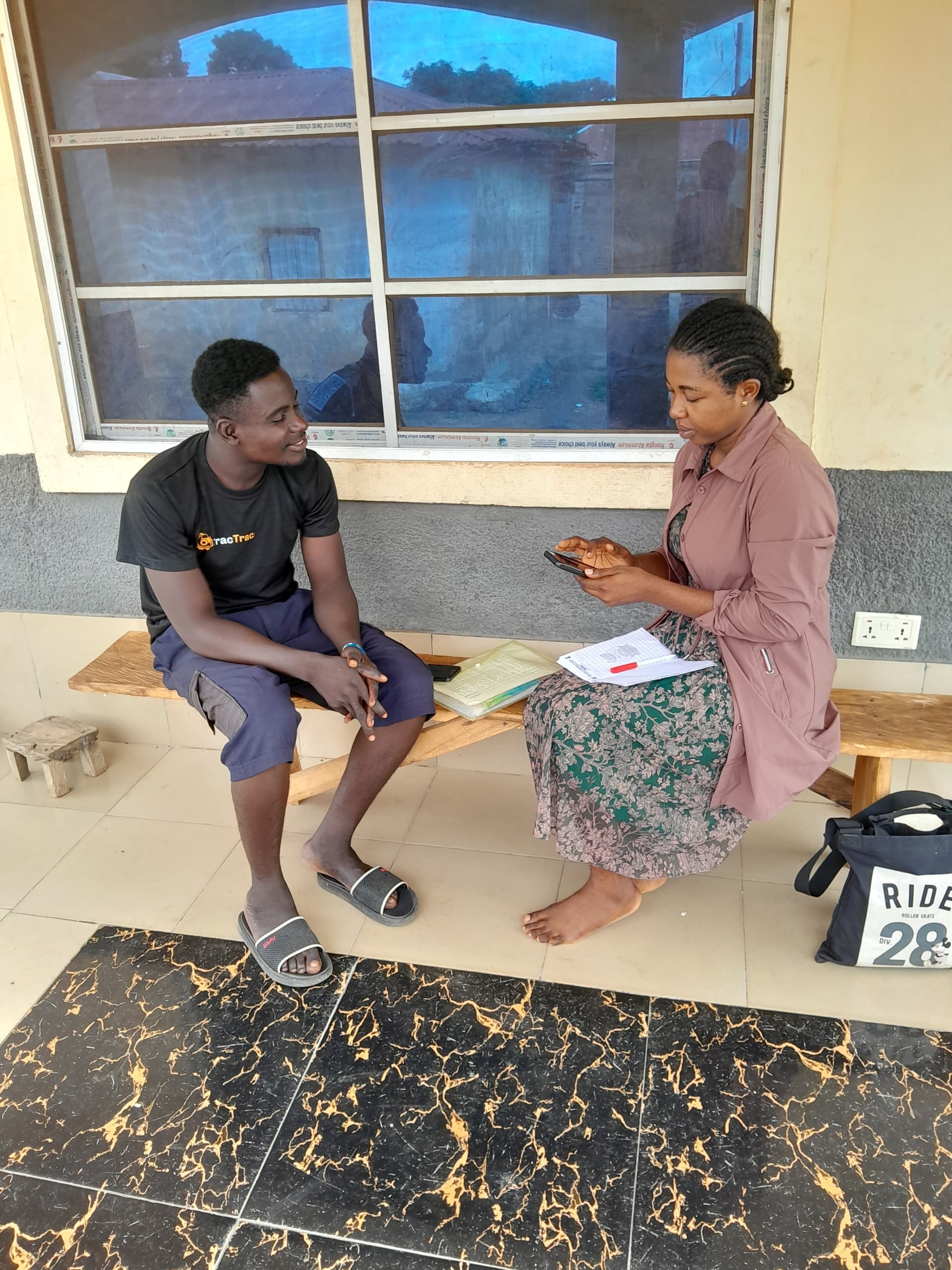
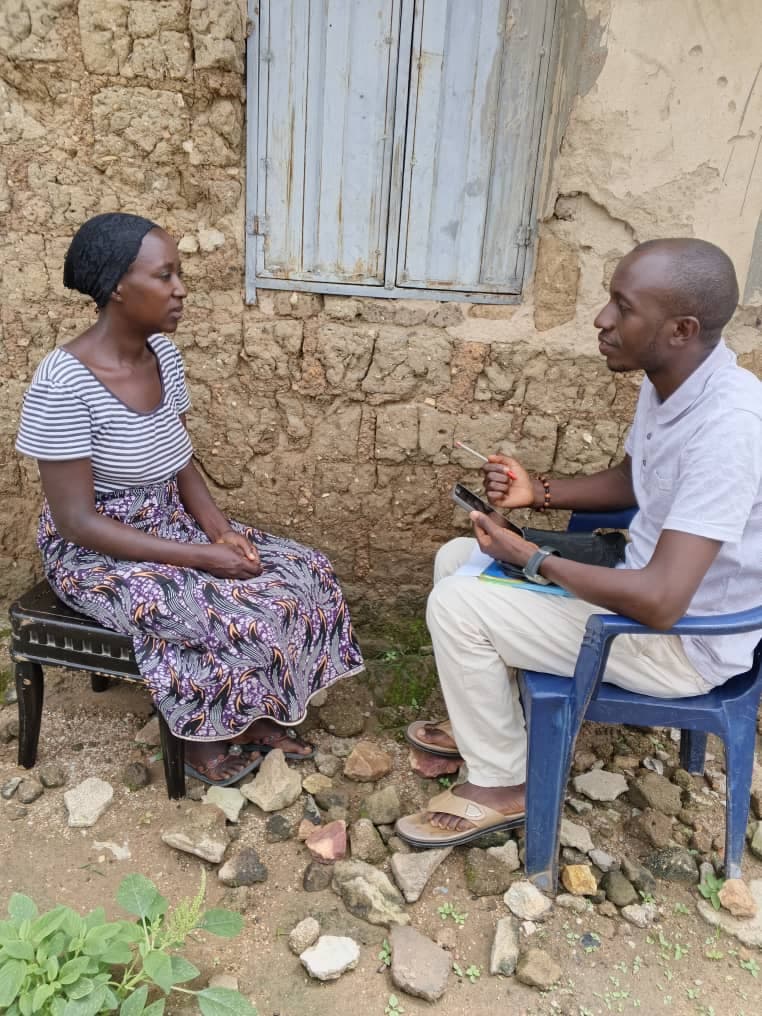
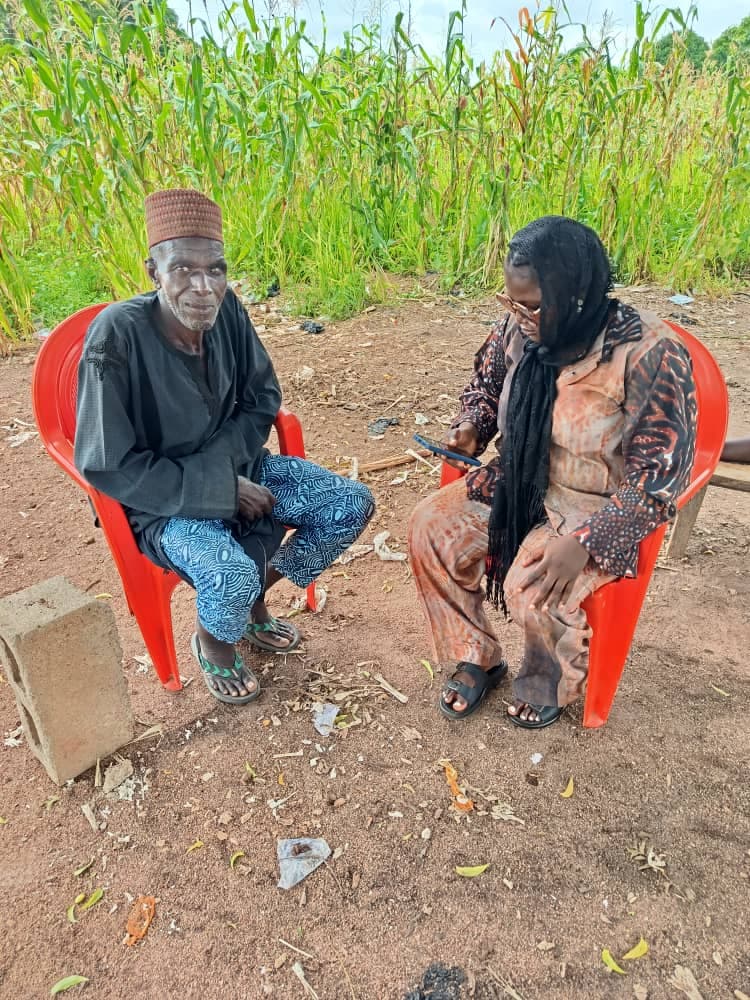
When our field team visited her outside her home, she described the barriers in order. Her plot is small, so operators put her last. She often cannot pay the full amount upfront. And the people who arrange machines are almost always men she does not know.
By the time they reach my farm, the big farms are finished and the rain is already gone.
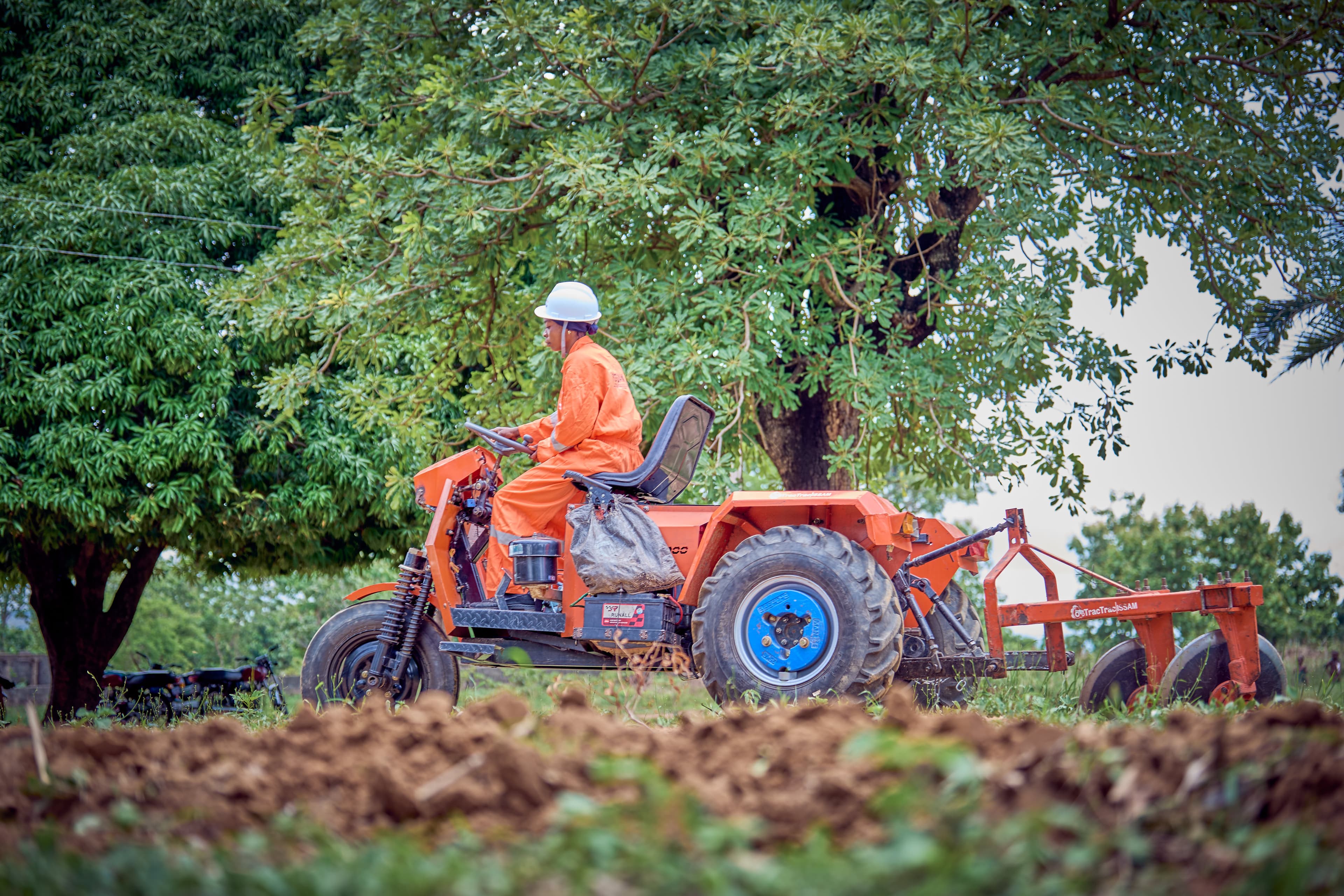
Most years she prepares her land by hand with hired labour, which takes longer and costs more per hectare than a tractor would. Some years she plants late because the work cannot be finished in time.
Other women in her community told similar stories. Several said they had asked a husband, brother or neighbour to make the booking on their behalf.
One solution the women raised themselves was grouping plots. If several neighbouring farms book together, the job becomes worth the operator’s trip, and the cost can be shared.
If we stand together, the tractor will come to us. Alone, it will not.
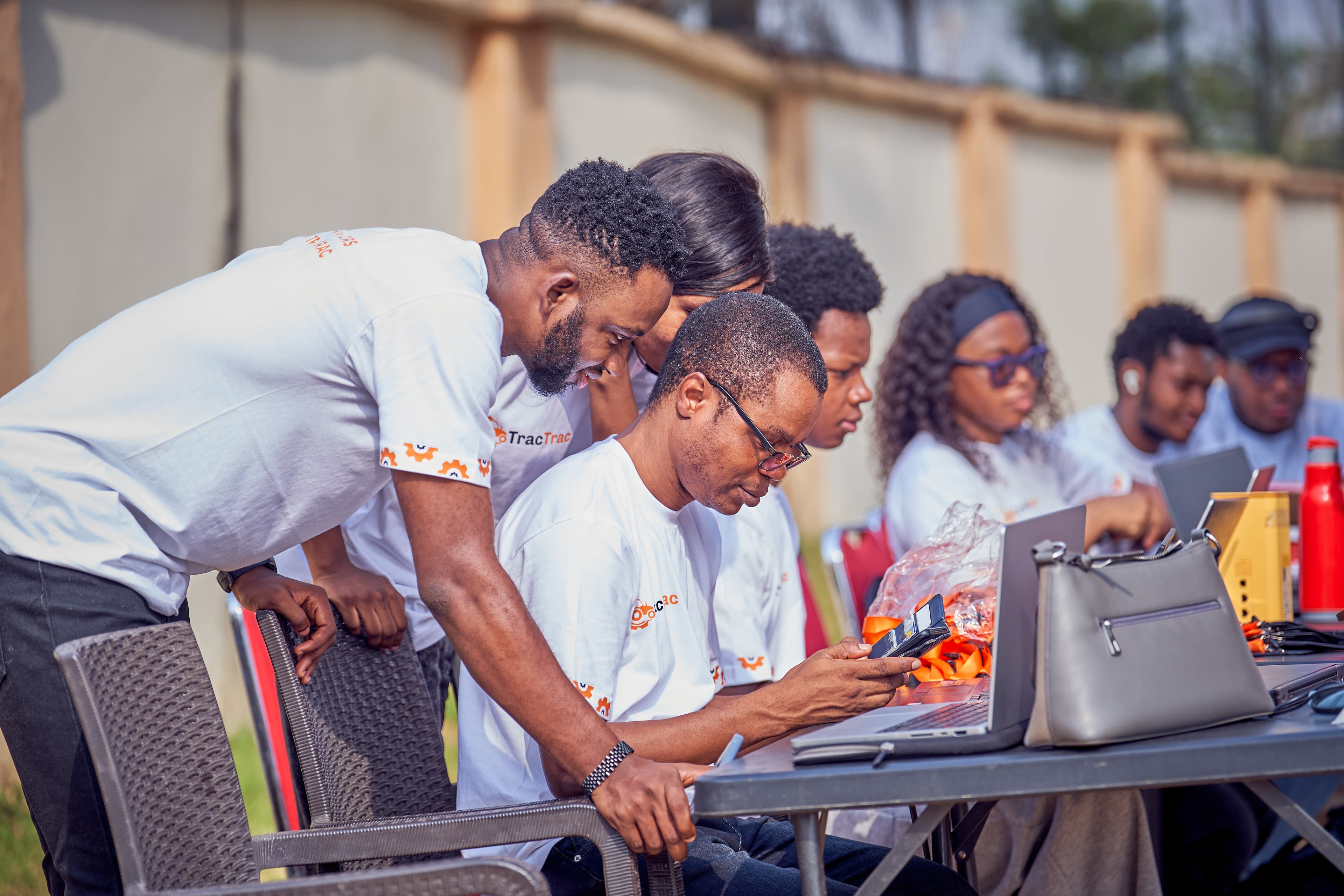
These conversations are shaping how TracTrac recruits agents and organises group bookings, including working with more women agents who can reach women farmers directly.